The Christmas Trial Shift: Turning Festive Cover Into a Full-Time Kitchen Role in 2026
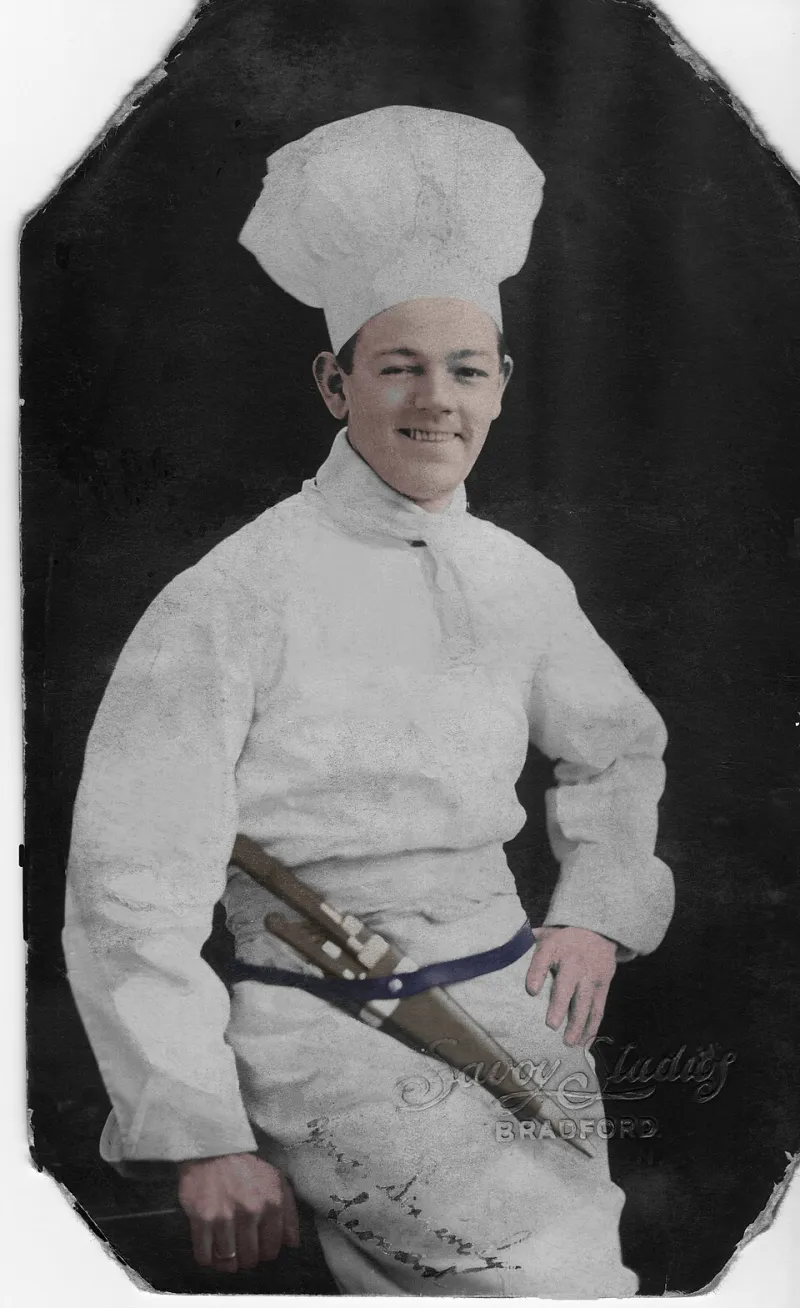
Photo: Alwayswonder, CC BY-SA 4.0, via Wikimedia Commons
By early November, North West kitchens are already pencilling in Christmas party bookings, hotel spa breaks and festive market trade. That means head chefs from Manchester to Merseyside are looking for cover. Some need a pastry chef for a week. Some need a section chef for three weekends. Some need someone who can walk into a busy gastropub on a Friday and not blink.
Temporary festive work gets a bad reputation because it can be chaotic. But it is also one of the fastest ways to get a foot in the door. A December shift is a trial shift with tinsel on it. If you want a permanent role in 2026, treat every temp booking as an interview.
Start before the Christmas rush, not during it
The best temp roles go early. By the middle of November, agencies and venues are filling rotas for office parties, Christmas Eve lunches and New Year's Eve service. Register with two or three local hospitality agencies rather than ten. Ask which venues they work with, what shift patterns look like, whether holiday pay is included and how weekly pay works. If you are applying directly, target hotels, gastropubs and restaurant groups in areas you can actually reach on a late bus.
If you are in Manchester, look beyond the obvious city centre spots. Ancoats, Chorlton, Didsbury and Prestwich all have busy kitchens that need cover. In Liverpool, think beyond Liverpool ONE and the Albert Dock. Chester, Preston, Kendal, Lancaster and the Lake District have seasonal hotels and pubs that struggle to fill December shifts. Travel matters. A brilliant chef who cannot get home after midnight is still a staffing problem.
Build a festive CV that answers the obvious questions
Your CV does not need to be a life story. One page is usually enough for temp work. Put your availability at the top: the dates you can work, the shifts you can cover and whether you have your own knives and whites. List your most relevant sections and kitchens. Include food hygiene, allergen training and right-to-work status. Add two references and make sure they know they might get a call.
Do not pad it with every course you have ever done. A head chef scanning CVs in a busy office wants to know three things: can you work the section, can you turn up, and will you be safe with allergens. If you have a specialism, say so. Pastry, grill, larder, pizza, breakfast. If you are happy to do prep and washing up, say that too. Festive kitchens need people who are not precious about the small jobs.
The interview is often a trial shift
Many North West employers will skip the formal interview and invite you in for a paid trial or a first shift. Treat it like both. Ask about the section, covers, team size, rota, uniform, knife kit and break arrangements. Ask who runs allergens on shift and where the paperwork lives. These are not awkward questions. They show you have worked in a real kitchen.
On the day, arrive early. Wear clean whites. Bring your own knives if you have them. Bring your right-to-work documents if requested. Listen properly. Ask once if you do not understand, then get on with it. Keep your bench clean, label and date everything, and communicate when you are running low on something. Do not stand still waiting to be told what to do. A good temp chef sees the next job and does it.
At the end of the shift, ask the head chef for one piece of feedback. Not a full performance review. Just one thing to do better next time. It shows humility and it gives you something to fix before the next booking.
Say what you want before the last shift
If you want a permanent job, do not wait until 23 December to mention it. After two or three shifts, tell the head chef or your agency contact that you are interested in regular work or a permanent role. Be clear but not pushy. Something like: I have really enjoyed this section. If a full-time role comes up in January, I would like to be considered.
That conversation does two things. It puts you in the head chef's mind when they plan January recruitment. It also stops you from being treated as a permanent temp who never gets a contract. Keep your timesheets accurate, turn up on time, and do not disappear during the busiest week of the year. Reliability is boring, but it is the main reason temps get offered permanent jobs.
Use the kitchen network while you are in it
Festive work is a networking opportunity, even if it does not feel like one. Be decent to the front-of-house team, the kitchen porters and the agency staff. Thank the head chef at the end of a booking. Send a short message a week later saying you enjoyed the shift and would be happy to cover again. These small follow-ups matter in a region where everyone seems to know everyone.
If you are on a temp booking and the kitchen is not right for you, finish the shift professionally. Do not bad-mouth the venue to the agency. North West hospitality is smaller than it looks. The chef who annoyed everyone at a Chester hotel in December may find that story following them to a Liverpool restaurant in February.
What a permanent offer should include
When January comes, a permanent offer can appear quickly. Ask about contracted hours, pay, tronc, holiday, notice period and progression. If the offer is a trial period, get it in writing. If you are leaving another job, do not burn bridges. A good festive temp can become a permanent chef, a reliable bank chef or a name that gets called first when the next busy period lands.
Christmas cover is not glamorous. It is long shifts, party bookings and a lot of washing up. But it is also a shop window. Use it well, and the 2026 festive season could be the start of your next proper kitchen job.