Who Covers Your Station When You're Ill? Sick Pay in North West Kitchens

Photo: chef kitchen rota clipboard staff sickness cover, via img.freepik.com
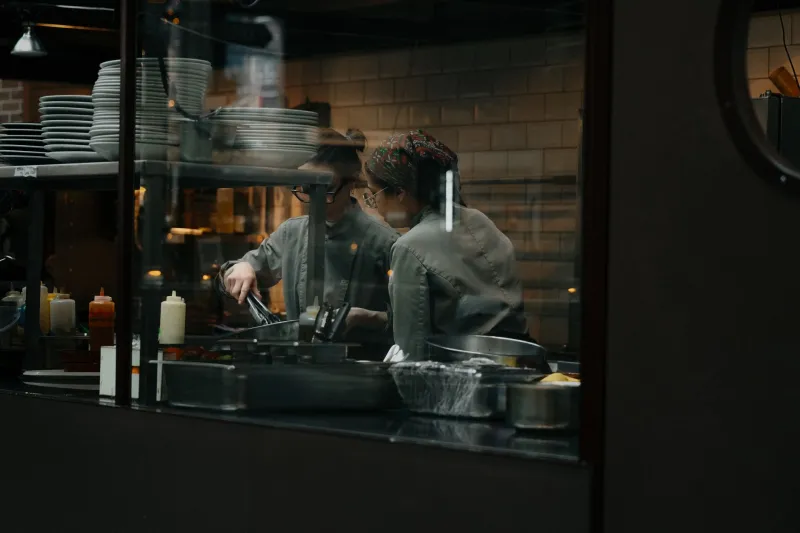
It's mid-November. The Christmas party bookings are stacked, the turbot is ordered, and someone on the pass has started coughing in a way that sounds expensive. In a North West kitchen, illness doesn't just mean one chef down. It means the sauce section gets stretched, the commis gets thrown in, and the head chef starts doing sums on the whiteboard.
Sick pay is the unglamorous bit of the job offer. But it's also one of the clearest windows into how a kitchen actually treats people when things go wrong.
Statutory is the floor, not the plan
Almost every chef in the UK is entitled to statutory sick pay, or SSP. It's the legal minimum an employer must pay when you're off ill. It is not a wage replacement. It is a safety net with holes in it.
SSP is paid by the employer, but it's a fixed weekly rate that won't cover a decent food shop, let alone a week's rent. The rules around waiting days and eligibility have been reformed in recent years, so check the current gov.uk guidance rather than relying on what a mate told you in 2023. The principle is simple: SSP is the bare minimum, and no kitchen should pretend otherwise.
Company sick pay is the bit that actually matters. Some kitchens offer full pay from day one. Some offer it after probation. Some offer a discretionary top-up that the head chef can quietly withdraw if the rota looks tight. And some offer nothing at all beyond SSP, which is legal but tells you something about the margins — and the culture.
The questions that don't sound difficult
Nobody wants to be the candidate who asks about sick pay in the trial shift. It can feel like announcing you plan to be ill. But there's a way to ask that sounds operational rather than suspicious.
Start with cover: "If one of the brigade is off for a week, how do you usually cover the section?" That's a normal kitchen question. Then follow it: "And what's the sick pay policy here — is it statutory only, or is there company sick pay?"
You're not asking for a favour. You're asking how the kitchen works.
Useful follow-ups include:
- Does company sick pay start from day one, or after probation?
- Is it contractual or discretionary?
- Does it top up SSP to full pay, and for how long?
- Does sick pay include tronc or service charge, or is it basic pay only?
- What's the reporting procedure — call by 7am, text the head chef, ring the duty manager?
- Does the policy change during December or other blackout periods?
- Does it apply equally to hourly and salaried chefs?
- Is there a return-to-work conversation, or do you just get handed a knife and pointed at the pass?
If the answers are vague, ask for the staff handbook. If there isn't one, that's an answer too.
The festive problem
December is when illness hits hardest. Kitchens are hot, cramped and full of people working long shifts with poor sleep and worse hydration. A bug moves through a brigade faster than a new menu.
It's also the month when kitchens are most tempted to guilt-trip people into working. "Nobody's off in December" is a sentence you'll hear in some North West kitchens. It is not a legal policy. It is a cultural one, and it usually means someone will be chopping herbs with a fever because they can't afford to lose the shift.
A kitchen that plans for festive cover — cross-trained staff, a clear reporting line, agency contacts — is a kitchen that has thought about reality. A kitchen that says "we just get on with it" is a kitchen that will make you feel bad for having a immune system.
What the policy says about culture
A written sick pay policy that applies from day one is a good sign. It doesn't mean the kitchen is soft. It means they've done the maths and decided that retaining chefs is cheaper than replacing them.
A policy that only kicks in after two years is not unusual, but it means you're carrying the risk during the period when you're most likely to be injured or ill. A policy that's "discretionary" means the head chef decides whether your flu is inconvenient enough to pay for. A policy that doesn't exist means you're relying on goodwill.
And watch the language. If the interview answer is "we're a family, we sort it out", ask what that looked like the last time someone was off for a fortnight. If the answer is "nobody's ever off", that's not a boast. That's presenteeism with a rota.
Protecting yourself without sounding difficult
Ask about sick pay when you're discussing the offer, not when you're bleeding on the pass. Get it in writing — contract, staff handbook, or a clear email. If you're hourly, keep your own record of shifts and pay, because sick pay disputes are usually about paperwork.
If you're agency, remember you're not covered by the client kitchen's sick pay policy. Check your agency's terms before you rely on them. And if you're ill, follow the reporting procedure properly. A text to the group chat is not a sick note.
After seven days off, you may need a fit note from a GP or healthcare professional. SSP paperwork is dull, but it's your money.
The bottom line
A kitchen that can't explain its sick pay policy in plain English is a kitchen that hasn't thought about what happens when you can't stand. You don't need to be difficult. You need to know who covers your station, what you'll be paid while you're off, and whether the answer changes in December.
Ask now. It's easier than asking from your sickbed.