Before the Tinsel Hits the Pass: A Festive Allergen Audit for North West Kitchens
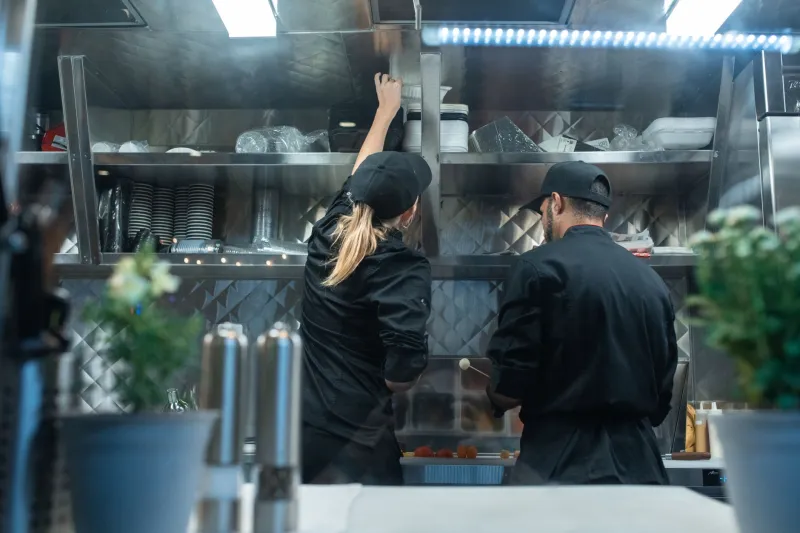
By mid-November, North West kitchens are already deep into Christmas party season. The diary is full, the walk-in is stacked with cream, and someone somewhere is asking whether the mince pies contain sulphites. It is also the point where the allergen matrix tends to be quietly forgotten — last updated in October, printed once, and now covered in grease by the pass.
That is not a paperwork problem. It is a service problem. Festive menus bring new dishes, new suppliers, temporary staff and last-minute swaps. The basics have not changed, but the pace around them has. A short, structured audit before the first big booking is worth more than a laminated sign nobody reads.
Why the festive menu is a different beast
A Christmas menu is not just the autumn menu with tinsel on it. It often brings canapés, buffets, set menus, shared platters, sauces made in bigger batches and dishes that only appear for four weeks. Mince pies arrive from a supplier one week and from the pastry section the next. Mayo gets decanted into squeezy bottles. Gravy might be thickened differently depending on who is on section.
Each of those changes can affect allergen information. The risk is not that kitchens do not care. It is that the information lives in too many places: supplier specs in a folder, a note on the chef's phone, a verbal briefing at the start of a shift, a menu printed before the last recipe tweak. In a busy North West kitchen — Manchester city centre, a Liverpool hotel, a Lancashire wedding venue, a Cumbrian pub with rooms — the gap between those sources is where mistakes happen.
Start with the matrix, not the menu
Build the festive matrix dish by dish, component by component. A turkey dinner is not one line. It is turkey, stuffing, pigs in blankets, gravy, cranberry sauce, roast potatoes, vegetables and whatever garnish the kitchen is using this year. A mince pie is pastry, filling, icing, dusting and the possibility of shared equipment. A jar of mayo is not an allergen-free condiment; it can carry egg and mustard.
Ask for current supplier specifications, not last year's. Check whether recipes have changed. Date the matrix. Give it an owner — one person who updates it when a supplier swaps or a dish sells out and gets replaced. If nobody owns it, it becomes decoration.
The three places festive cover usually goes wrong
1. Last-minute substitutions
Sold out of the vegetarian option? Swap the garnish? Use a different bread? Every substitution needs a quick allergen check before it leaves the pass. The question is not whether the new dish is nice. It is whether the matrix still tells the truth.
2. Shared fryers and prep areas
Chips, breaded items, falafel, doughnuts, gluten-free requests — festive menus often push more items through the same equipment. If a guest asks about gluten or shellfish, the answer depends on what else has been in that fryer and on that board. Separate prep is not just a nice-to-have at Christmas; it is part of the brief.
3. Agency and temporary staff
Agency chefs can be brilliant. They can also arrive at 5pm on a Saturday with no idea where the allergen folder lives. The same goes for front-of-house temps who are taking bookings and answering questions at the table. They need a named person to ask, a clear rule about not guessing, and a two-minute briefing before service — not a folder handed over during the first rush.
Print this and pin it by the pass
This is the checklist-style drill worth running before the first festive booking. Adapt it to your kitchen, but do not skip the awkward questions.
- Is the festive allergen matrix dated, signed and kept in one known place?
- Does every dish list all 14 allergens by component, including garnishes, sauces, dressings and dustings?
- Have supplier specifications been checked this season, not last season?
- Are vegan, gluten-free and other special-menu dishes prepped with separate boards, utensils and fryers where needed?
- Who checks substitutions when a dish sells out, and who signs off the updated matrix?
- Are mayo, chutneys, pickles, gravies and desserts covered — not just the main courses?
- Do agency and temporary staff know the allergen lead by name and where to find the matrix?
- Can front of house answer a guest question without guessing, and do they know when to fetch a chef?
- Are online menus, printed menus and table cards showing the same information?
- Is there a clear no-guess rule for everyone on shift?
Run the briefing like a service, not a lecture
A ten-minute stand-up before the first Christmas party is more useful than a twenty-page document emailed in September. Walk through three or four real dishes. Ask a server what they would say if a guest asked about sulphites in the Christmas pudding. Ask an agency chef where the gluten-free bread is prepped. Ask the kitchen porter which board is used for what.
Then log it. A brief that is not recorded is hard to repeat and easy to argue about later. It also helps when you are hiring: chefs moving between North West kitchens want to see that allergen systems are real, not just mentioned at interview.
Debrief after the first big service
After the first proper party night, spend five minutes updating the matrix. Did anything change? Did a supplier substitute? Did a dish run out? Did anyone have to ask a question they could not answer? Fix it then, while it is still fresh. The second week of December is not the time to discover the mince pie spec is three years old.
The festive drill is not glamorous. It is a checklist, a conversation and a bit of time at the pass. But it protects guests, protects the team and keeps the Christmas rush from turning into an avoidable problem. Before the tinsel hits the pass, get the matrix straight.