When the Head Chef Walks Out Mid-Service: Your First 72 Hours on the Pass
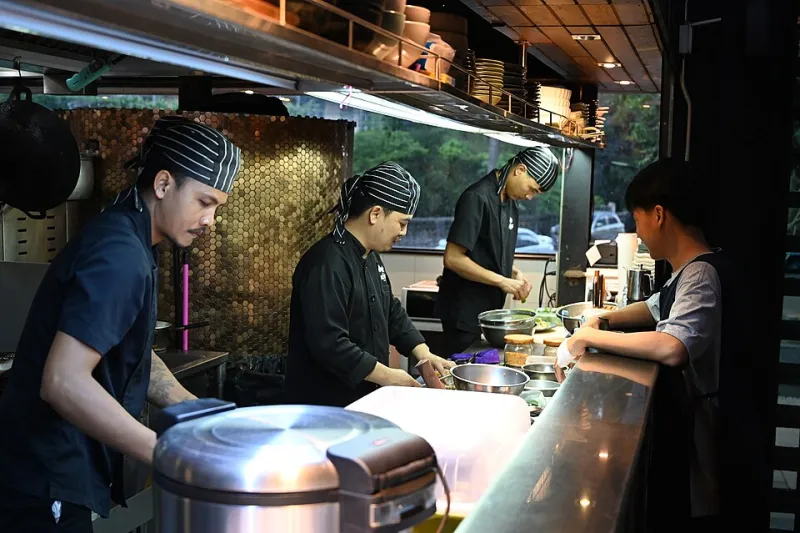
Photo: PattayaPatrol, CC BY-SA 4.0, via Wikimedia Commons
It’s Friday, 7:42pm, and the head chef has gone. Not in the usual way — not after a planned handover, not with a folder of specs and a fortnight of double-checking. Gone as in walked out, suspended, or resigned by text while the first checks were going up. In a North West kitchen with a tight brigade, the vacuum is immediate. Someone still has to call the pass, sign off the late orders and decide whether the sauce is splitting because the heat is too high or because nobody has tasted it since Tuesday.
If you’re the sous chef or the senior CDP, you’re probably already being asked to ‘just keep an eye on things’. That phrase is doing a lot of work. There’s a difference between covering service and quietly becoming the unpaid acting head chef. The first 72 hours are about keeping the kitchen safe, making the vacuum visible and working out whether the people above you are going to put authority and money behind the ask.
Hour Zero: Steady the Pass Before You Touch the Paperwork
Get through service first. Decide who is calling orders, who is checking plates and who is the point of contact for front of house. Don’t change the menu, don’t rewrite the rota and don’t start rearranging the dry store until the last ticket is off. The immediate job is continuity, not a rebrand.
Write down what is actually being served. Not what the menu says — what the team is plating. Specials, swaps, 86’d items, the sauce that’s being stretched because the delivery didn’t land. If there’s an allergen matrix, find it and check it against what’s really in the fridge. If there isn’t one, that’s a red flag in itself.
Ask the owner or ops manager to confirm in writing who is in charge of the kitchen for the next service. A text message is fine. A verbal ‘you’re basically running it’ is not. You need to know whether you have authority to make decisions or whether you’re just holding the space until someone else arrives.
The Menu Spec Is the Kitchen’s Memory
A good head chef leaves a paper trail. A sudden exit often doesn’t. Recipes may live in their head, in a phone, in a notebook that’s gone home in a rucksack. Your job in the first 48 hours is to rebuild the kitchen’s memory before it walks out of the door with the next person.
Get the team together and write down every dish as it’s currently made: quantities, cooking times, garnish, allergy notes, the lot. Take photos of finished plates. Check supplier labels and existing spec sheets. If something is unclear, don’t guess — ask the most experienced chef on that section and write down their answer. This isn’t about creating a beautiful recipe folder. It’s about making sure the next person who walks into the kitchen can cook the menu without ringing a mate who left last month.
If allergen information is missing or contradictory, stop and escalate. That’s not a paperwork problem; it’s a food safety problem. In a busy North West kitchen during the festive run-in, the last thing anyone needs is a customer asking a question nobody can answer.
Suppliers, Accounts and the Authority to Comp
Supplier accounts are where sudden exits get messy. The rep may have been dealing with the head chef personally. Standing orders may be in their name. Delivery days may be built around a rota that no longer exists.
Ask the owner to confirm who can place orders, who can approve substitutions and whose card is on file. Do not put your own money on the line because the owner is ‘sorting it’. If you’re asked to order from a wholesaler, get the account number and the credit terms in writing before you do. A kitchen that runs on a sous chef’s personal debit card is a kitchen with a cash-flow problem it isn’t telling you about.
Comps are the other quiet battleground. In many independents, a free dessert or a knocked-off main is handled informally. When the head chef leaves, that informal authority can land on whoever is nearest the pass. Ask directly: who can sign off a comp, a discount or a replacement dish? Keep a note of what you approve and why. If you don’t have the authority, don’t use it. Being the person who says yes to every unhappy table is not leadership — it’s a fast route to a conversation about margin with an owner who never gave you the budget.
Rotas, Cover and the Goodwill Trap
Next week’s rota is already out. Someone is on holiday. Someone else has a hospital appointment. The kitchen is two bodies short and the agency hasn’t called back. This is where goodwill starts to look like a business model.
Ask the owner how gaps will be covered. Overtime? Agency? A temporary change to opening hours? If you’re asked to do doubles, ask what the pay is. If you’re asked to take on head chef duties, ask what the temporary uplift is and when it will be reviewed. ‘We’ll sort you out later’ is not a rota plan. It’s a hope.
Keep the team close. Morale in the first few days is fragile. People will be worried about their hours, their jobs and whether the place is about to close. Hold a short briefing before service. Share what you know, admit what you don’t, and don’t badmouth the person who left. A kitchen that gossips its way through a crisis usually loses the next good chef before the replacement is even interviewed.
The 72-Hour Checkpoint: Questions Worth Asking
By the end of the third day, you should have a clearer picture. Ask the owner or ops manager:
- Who is the interim head chef, and is that in writing?
- What is the temporary pay or uplift, and when is it reviewed?
- Who can sign off purchases, comps and rota changes?
- What is the recruitment timeline, and who is handling interviews?
- Who is responsible for allergen records, EHO paperwork and HR issues?
- What is the budget for agency cover or overtime?
- When is the next stock count, and who is doing it?
- What support is coming from group ops, if there is a group?
If the answers are vague, that tells you something. A good owner will put authority and money behind the ask. A bad one will rely on your loyalty and call it teamwork.
Step Up Carefully, or Step Away
An interim role can be a genuine opportunity. You might get the title, the experience and a proper conversation about the permanent job. But only if you negotiate it. Ask for a review date. Ask what support looks like. Ask what happens if the new head chef wants to bring their own sous. Don’t accept an indefinite ‘acting’ position that leaves you with the accountability and none of the authority.
And if you’re a senior CDP being asked to sign off things you’re not trained for, say so. Covering a section is one thing. Being the only person checking allergens, ordering stock and managing a rota is another. The first 72 hours after a head chef walks out are about keeping service safe and making the vacuum visible. You can hold the pass without becoming the person who absorbs all the risk.
From Liverpool’s suburban gastropubs to Manchester’s city-centre sites, the kitchens that come through a sudden exit well are the ones where someone upstairs picks up the phone, makes a decision and pays for it. If that isn’t happening, start asking why — before the goodwill runs out.