The Gravy Shift: Why Sunday Service Is Still the Hardest Rota to Fill in the North West
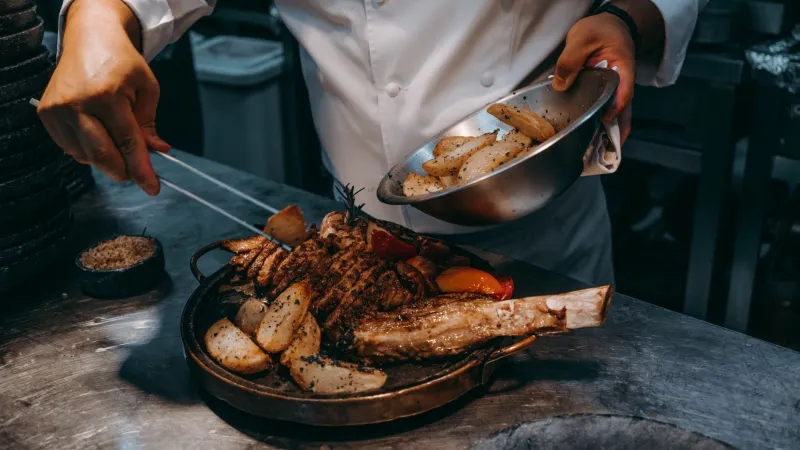
Sunday lunch is a North West institution. Roast beef, sticky pudding, a queue at the bar and a kitchen running at full tilt. But ask any head chef from Liverpool to Lancaster which shift they dread filling most, and the answer is rarely Friday night. It is Sunday.
Not because chefs cannot cook a roast. Because Sunday sits at the intersection of everything that makes kitchen work hard in 2026: family time, transport, fatigue, and a pay premium that candidates now expect to see in writing.
The shift that asks the most
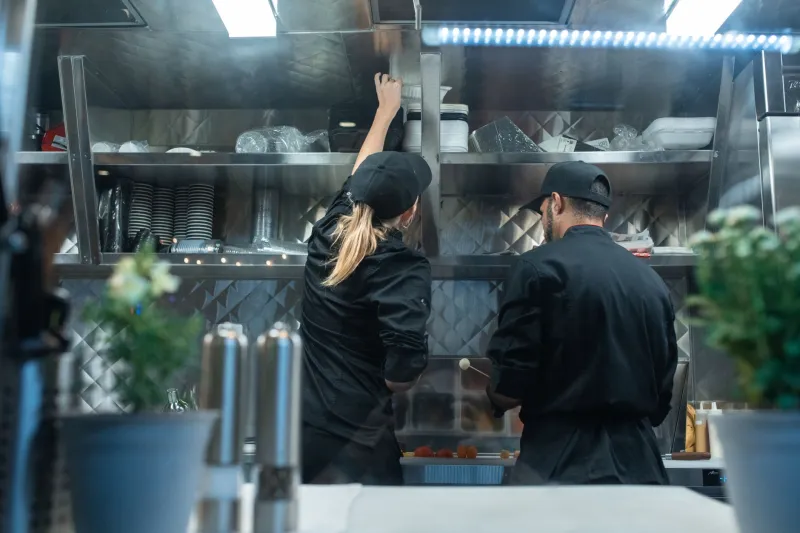
A Sunday service is a sprint with a long tail. Prep starts early, the pass gets hammered between twelve and three, and then there is the clean-down. For a chef on a four-day rota, Sunday can eat a whole day off. For a parent, it is the one day the family is together. For a young commis in a rural Cheshire pub, it is a bus that does not run and a taxi that costs more than the extra pound an hour.
That last point matters. In towns and villages across Lancashire and Cumbria, the Sunday premium can disappear into travel. A sous chef in Chorley told me recently that she had been offered two pounds more an hour for Sundays, but the last train back from Preston left before the pass was wiped down. The premium was real. The logistics were not.
Predictability beats a pound an hour
Money matters, but rota chaos matters more. Chefs talk about the Sunday problem in two parts: the shift itself and the uncertainty around it. A rota published on Thursday for the following week is not a rota. It is a warning. Candidates in 2026 are comparing offers on how far ahead the schedule is published, whether weekends are shared fairly, and whether a Sunday shift comes with a guaranteed day off in lieu rather than a vague promise.
Employers who get this right tend to do the same things. They publish rotas three or four weeks out. They ring-fence weekends off for people who need them, rather than treating every request as a negotiation. They pay a clear weekend premium, not a mystery rate buried in the hourly figure. And they do not rely on the same two chefs every Sunday until those chefs burn out.
What chefs should ask before saying yes
If you are interviewing for a role that includes weekends, get specific. Ask what the Sunday rota pattern looks like across a four-week cycle. Ask whether the weekend premium applies to every hour or only after a certain time. Ask how tips are shared and whether Sunday is included. Ask about transport: parking, late buses, staff taxis, or a lift share. Ask what happens when someone calls in sick on a Saturday night. The answer tells you whether the kitchen has a plan or a panic.
Also ask about the trial shift. A Sunday trial is useful, but it should be paid and it should show you the real rhythm, not a staged version. If a kitchen will not let you see the rota until you have signed, that is information too.
What employers can do without blowing the budget
Not every site can pay London rates, and they should not try. But fairness is cheaper than turnover. Here is a practical checklist for North West kitchens:
- Publish rotas at least four weeks ahead, and stick to them.
- Put the weekend premium in the advert and the contract, not just in conversation.
- Offer Sunday-only or weekend-only contracts where they suit the business and the chef.
- Cap split shifts on weekends, or pay a split-shift allowance.
- Guarantee hours for regular weekend staff rather than adding shifts and cutting them.
- Sort travel: staff parking, taxi contribution, or a lift-share board.
- Feed the team properly. A good family meal before Sunday service is not a luxury.
- Give a clear day off in lieu, booked in advance, not a case of we will sort it later.
- Cross-train so one person's holiday does not become everyone else's problem.
None of these are radical. Together they turn Sunday from a favour into a fair trade.
The roast is not the problem
The Sunday roast will always be a big deal in the North West. People plan their week around it. But the kitchen behind it needs to be planned around too. Chefs are not refusing to work weekends because they do not care about the job. They are refusing because the deal has to stack up against real life: the last train, the childcare, the one day everyone else is off.
In 2026, the kitchens that fill the weekend pass will be the ones that treat Sunday like a proper shift with a proper plan, not a test of loyalty. Pay matters. Predictability matters more. And a day off that actually happens is worth more than a promise.